
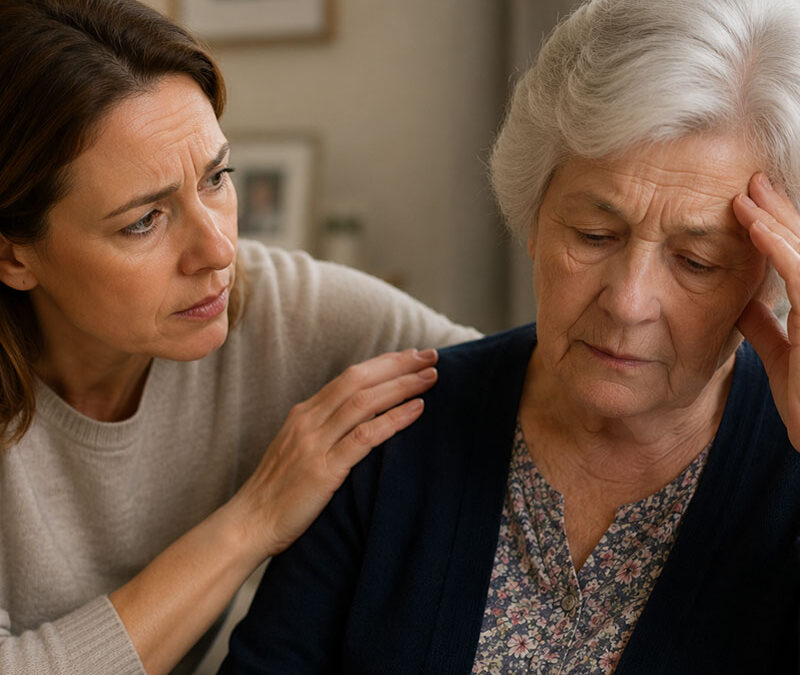
When families place a loved one in the care of a nursing home, assisted living facility, residential care home, or caregiver, they trust that the person will be treated with dignity, compassion, and proper attention. Unfortunately, elder abuse and dependent adult neglect remain serious and growing problems throughout California, and the country as a whole.
Neglect and abuse can affect not only seniors, but also dependent adults living with physical disabilities, developmental disabilities, cognitive impairments, or chronic medical conditions. In many cases, vulnerable individuals are unable to report mistreatment themselves, making family involvement critically important.
Recognizing the warning signs early may help prevent serious harm.
1. Unexplained Injuries or Frequent Falls
One of the clearest warning signs of neglect or abuse is unexplained physical injuries. Families should pay close attention to:- Bruises, cuts, or burns
- Repeated falls
- Fractures or sprains
- Bedsores (pressure ulcers)
- Sudden mobility decline
- Signs of restraint use
- Delayed medical treatment after injuries
2. Poor Hygiene, Weight Loss, or Signs of Malnutrition
Neglect often becomes visible through changes in a person’s physical condition. Warning signs may include:- Noticeable weight loss
- Dehydration
- Dirty clothing or bedding
- Strong odors or poor hygiene
- Untreated infections
- Missed medications
- Overgrown nails or poor grooming
- Unsanitary living conditions
3. Emotional Withdrawal or Sudden Behavioral Changes
Abuse is not always physical. Emotional and psychological abuse can have devastating effects on seniors and dependent adults. Families should watch for:- Fearfulness around certain caregivers
- Depression or anxiety
- Sudden silence or withdrawal
- Agitation or unusual mood changes
- Isolation from friends or family
- Sleep disturbances
- Refusal to speak in front of staff
4. Financial Exploitation or Unusual Financial Activity
Financial abuse is one of the most common forms of elder and dependent adult abuse. Warning signs may include:- Missing cash or belongings
- Unexplained bank withdrawals
- Changes to wills or legal documents
- Unpaid bills despite available funds
- Sudden new “friends” or caregivers influencing decisions
- Unauthorized credit card activity
- Pressure to sign documents
5. Staff Avoidance, Poor Communication, or Unsafe Facility Conditions
Sometimes the warning signs come from the facility itself. Families should pay attention if:- Staff members avoid questions
- Calls or concerns go unanswered
- There are inconsistent explanations about injuries
- The facility appears understaffed
- Residents repeatedly call out for help
- Living areas appear dirty or unsafe
- Care plans are not being followed
What Families Can Document
If you suspect abuse or neglect, documentation can be extremely important. Families should consider:- Taking photographs of injuries or unsafe conditions
- Keeping a timeline of events and observations
- Saving emails or communications with staff
- Requesting copies of medical records
- Tracking medication issues or missed treatments
- Recording the names of staff members involved
When to Seek Legal Help
Families often hesitate to seek legal guidance because they are unsure whether what they are seeing rises to the level of abuse or neglect. However, early intervention can help protect vulnerable individuals from further harm. An attorney experienced in elder and dependent adult abuse cases may help investigate:- Nursing home neglect
- Assisted living facility abuse
- Caregiver misconduct
- Financial exploitation
- Wrongful death claims
- Violations of California elder abuse protections